
Why Should I Pay to Find Out What’s Wrong With My Car?

Diagnostic charges done at Auto Repair Shops are a common practice, but they can be confusing for consumers. Why do Mechanics charge for diagnosing a problem, even if the customer doesn’t end up getting the repair done?
The simple answer is that diagnosing a car problem takes time and training. A qualified Mechanic will need to use a variety of tools and techniques to narrow down the possible causes of the problem. This may involve:
- Inspecting the vehicle visually: This includes checking for any obvious signs of damage or wear and tear.
- Running Diagnostic Tests: This may involve using in-depth scan tools and software to read and interpret error codes.
- Testing individual components: This may involve removing and testing parts such as sensors, actuators, and Wiring Harnesses.
Here are some specific examples of what you might be paying for when you incur a Diagnostic Charge:
- Labor: The Mechanic’s time spent diagnosing the problem, including inspecting the vehicle, running tests, and testing individual components.
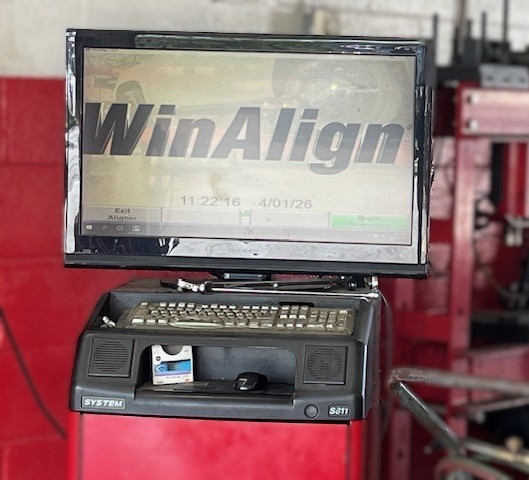
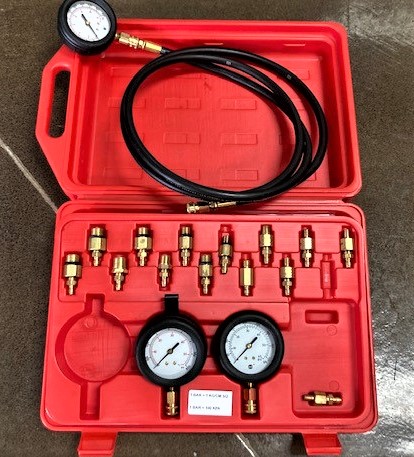
- Tool usage: The cost of using specialized Diagnostic Tools and up to date software, such as scan tools and oscilloscopes.
- Knowledge and expertise: The Mechanic’s training and experience in diagnosing car problems.
It’s important to note that Diagnostic Charges are not always required. However, in most cases, it’s best to have the problem diagnosed first. This will help to ensure that the correct repair is made and that you don’t end up wasting money on unnecessary parts or labor.
Here are some tips for understanding and managing diagnostic charges:
- Ask about the process: Ask your Auto Repair Shop what steps they will take to diagnose the problem.
- Get a written estimate: Before any work begins, get a written estimate from your Repair Shop that includes the diagnostic fee.
By understanding what diagnostic charges are for and how they are determined, you can make informed decisions about your auto repairs.
