
Brake noise is one of the most recognizable and irritating sounds you hear when stopping. Although the squealing noise can be alarming, it doesn’t necessarily mean your car is headed for a breakdown.
Here are some common reasons why your brakes squeal when you stop.
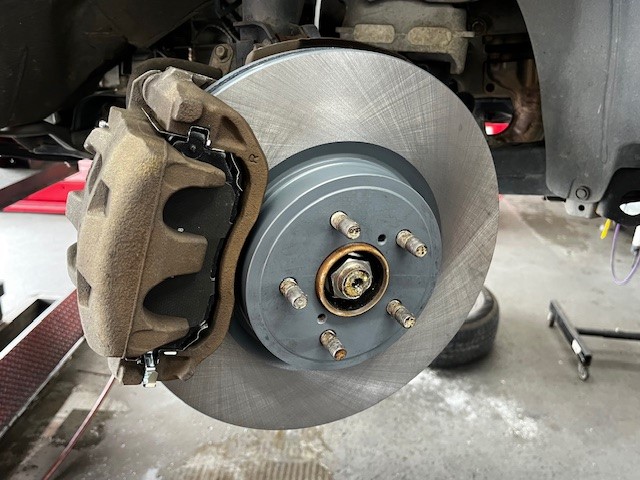
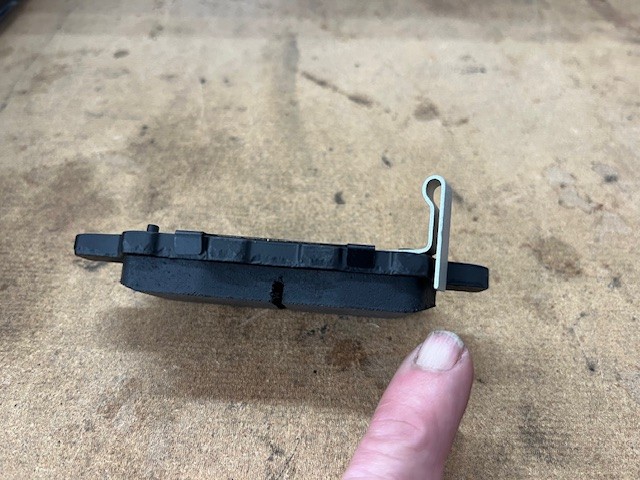
- Worn Out Brake Pads: This is the most common reason for brake squeal. Brake pads have wear indicators that make noise when the pad material has reached the end of its life. The metal squeal tab touches the disc rotor, causing a loud squeal when stopping.
- The sound you hear will be a high-pitched chirp or squeal when you press the brake pedal.
- To fix this, have your brakes serviced. If you continue to drive with the squealing noise, the brake pads will eventually start grinding metal to metal.
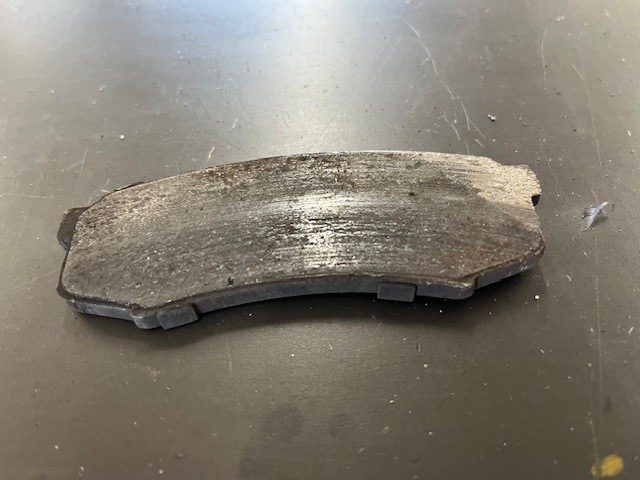
- Heat Glazing of the Brake Pads: Brake pads can overheat, causing the pad surface to harden and glaze. Ignoring this noise may be okay, but your stopping distances might increase.
- The sound you hear is a high-pitched squeal just before stopping or when backing up and stopping. The squealing noise will come and go depending on the brake pad temperature.
- To fix this, replace the brake pads with new ones. Sometimes, sanding off the glazed finish can help.
- Inexpensive Metallic or Carbon Brake Pad Material: Spending more money on better-quality ceramic brake pads can help with noise.
- The sound you hear is a loud, high-pitched squeal or grinding when stopping. You will tend to hear this squeal every time you apply your brakes.
- To fix this, update your brake pads with a good-quality ceramic pad set.
When should you call a Brake Repair Shop?
Any time you hear unfamiliar noises from your brakes, I recommend reaching out to an auto repair shop to have it checked out. If you’re experiencing a squealing noise, it may not be serious. However, if you’re experiencing a grinding noise, it may be a problem that needs attention.