Fluid Levels Cobb Tire and Auto Repair Greenville

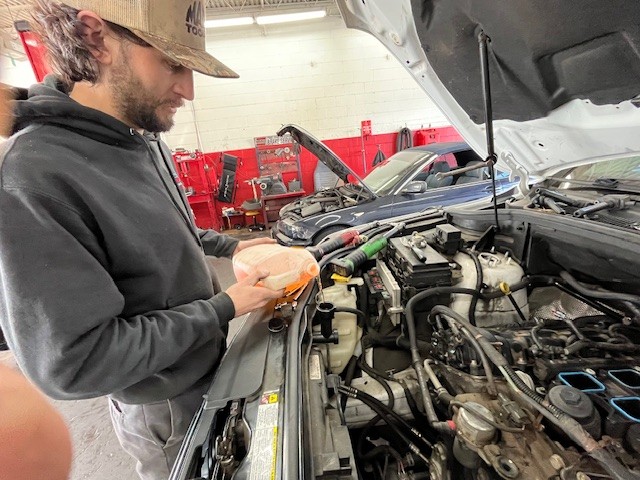
With the new year starting, a record number of Americans are expected to travel by car. AAA projects that around 82 million people will journey at least 50 miles from home, with approximately 73 million of them driving. With so many vehicles on the road, it’s crucial to ensure your car is in good condition. Checking tire pressure, fluid levels, battery health, and lights can help prevent breakdowns and accidents. Last year, AAA received nearly 600,000 calls for roadside assistance during the Thanksgiving period, primarily for dead batteries and flat tires. Taking a few minutes to prepare your vehicle can significantly enhance your safety and comfort during one of the busiest travel times of the year. If it has been over three months since your car was last serviced, please give us a call to schedule an appointment. You can also visit us at cobbtire.com or find us on Google to set your own appointment online. We look forward to seeing you soon. Rich Cobb.

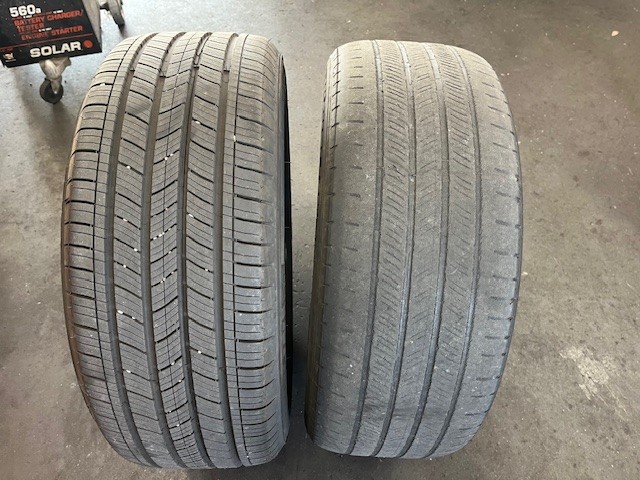
WHY ARE MY TIRES CUPPING?

Dealing with tire cupping can be quite frustrating. Cupped tires tend to be noisy and may cause your vehicle to vibrate at higher speeds. Here are the most common reasons for tire cupping:

                                                                                                                                EXTENDED DRIVING WITH UNBALANCED TIRES:

When tires are unbalanced, they experience uneven forces that lead to vibrations and bouncing. You might have noticed a vehicle with a front tire rapidly bouncing at high speeds; this is a sign of tire cupping. To resolve this, schedule a tire balance at your local repair shop. While balancing will improve your ride’s smoothness, the cupped tires will still need to be replaced.

                                                                                                                                       EXTENDED DRIVING WITH A MISALIGNED VEHICLE:

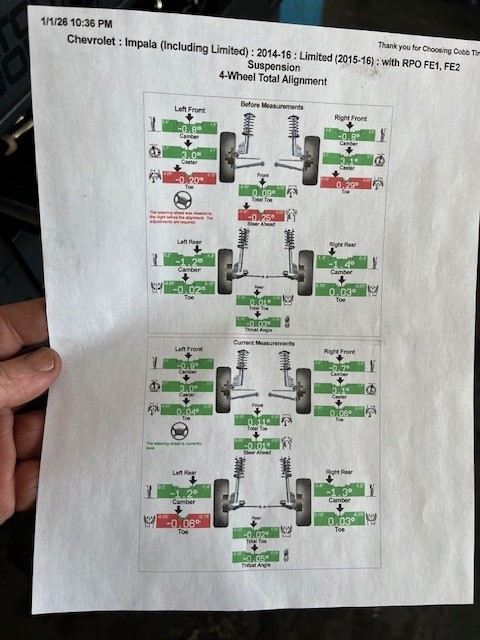
Driving for long periods with a misaligned vehicle can lead to tire cupping. Misalignment creates uneven stress and friction, resulting in a feathered wear pattern that can develop into cupping. Proper alignment angles (toe, camber, and caster) are essential for even tire wear. If you notice uneven wear, please reach out to your local alignment shop for a wheel alignment.

                                                                                                                                           LACK OF REGULAR MAINTENANCE (TIRE ROTATION / TIRE PRESSURE):

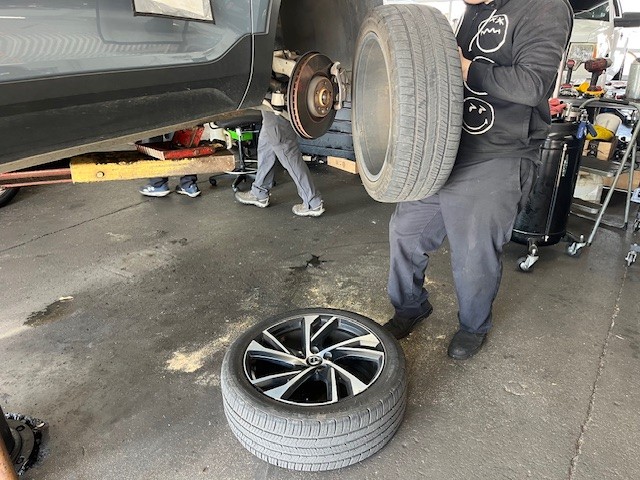
Neglecting tire rotations or pressure checks can cause uneven wear, leading to cupping. We recommend rotating your tires every 5,000 miles. If you change your engine oil at that interval, consider rotating your tires at the same time. Our auto repair shop in Greenville, SC, offers free tire rotations and can check your tire pressures. We suggest checking your tire pressure monthly.

FAULTY SUSPENSION COMPONENTS:

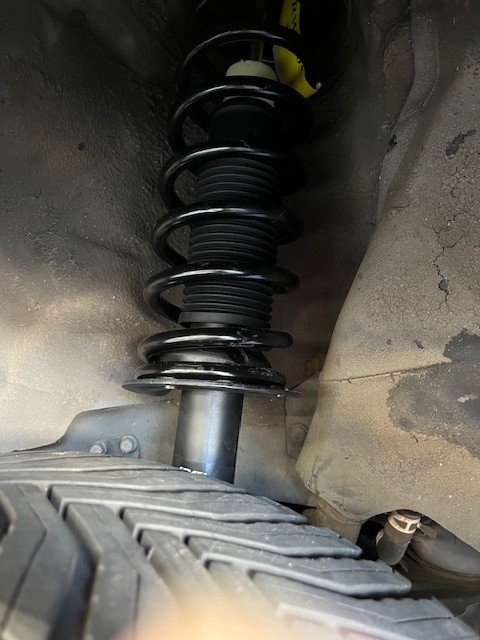
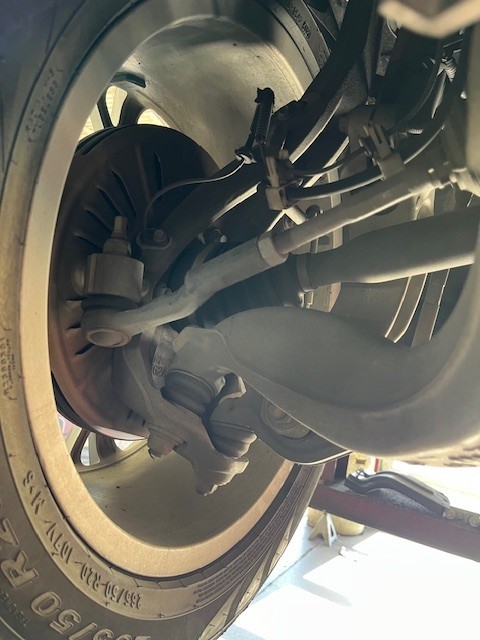
Worn suspension components can also cause tire cupping. Parts such as shocks, struts, springs, ball joints, tie rod ends, and control arm bushings are crucial for even tire wear. When these components wear out, your vehicle struggles to absorb vertical forces, leading to bouncing and hopping, which contributes to tire cupping. It’s advisable to have your suspension system inspected by a qualified professional. Our auto repair shop is here to assist you, and worn components will need replacement.

Once tires have significant cupping, the damage is typically irreversible and replacing them is the best solution. Minor cupping may be manageable without immediate replacement.

WHY ARE MY TIRES CRACKING?

Is it bad if you check your tires and see cracking on the side wall?

Here is a breakdown on if your tire cracking is a problem.


  1. WEATHER CHECKING: A natural aging process.

As your tires age, the carbon black additive used in tires will begin to dry and crack.  This is normal for tires and can be worse in different areas.  Minor sidewall cracking especially in areas where salt is used on roads during the winter time is expected.  Weather Checking on your tires is normal and should not be an alarm.  If you are concerned about your tires having weather checking, stop by our Tire Shop any time and we will be happy to take a look at your tires.


  1. SIDEWALL CHECKING DUE TO TIRE GLOSS:

Tire Gloss is the worst thing that you can treat your tires too.  I know that it looks really good after washing your dirty vehicle.  I do the same.  You would just need to understand that these chemicals dry out the rubber and can cause sidewall checking.  At our Tire Shop, if we see sidewall checking on the outside of the tire but not on the inside of the tire.  The checking is from cleaning chemicals.  This is not an issue and your tires do not need replacement.


  1. DEEP CRACKS IN THE TIRE TREAD AREA: This can be an issue.

If we find deep consistent cracking in the Tire Tread area, This can be an issue for concern.  Here is what can cause deep cracking in the Tire Tread area.

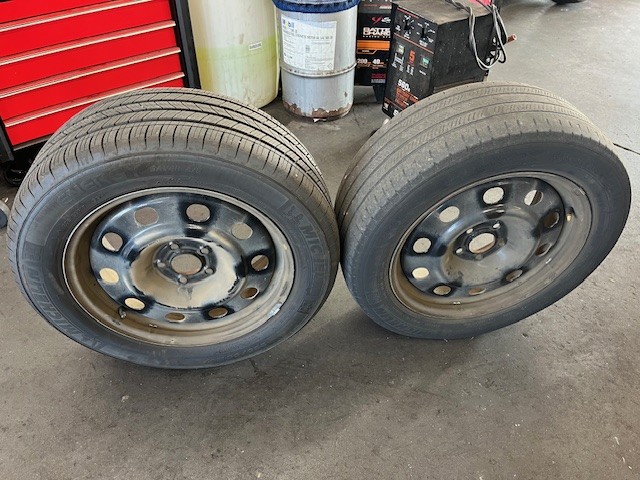
  • Age: As tires age, the natural rubber can dry out and crack.  If your tires are 8 years or older and we notice deep cracking, we recommend replacing your tires.  Not only is the external rubber dry and cracked, but the internal bonding materials are old and dry as well.  Replace your tires.  If you are concerned about the age of your tires, you can check this by looking at the DOT number.  The las 4 numbers denote the week and year that the tire was built.  An example would be “4117”.  The tire was built on the 41 week of 2017.
  • Low Tire Inflation: Continually driving your car with low tire pressure can cause cracking due to overheating.  Tires driven too long with low tire pressures experiencing extreme flexing and overheating.  This will cause Tire Cracking and may force you to purchase new tires.  Keep a watch on your Tire Pressures or feel free to get in touch with our Tire Shop and we will gladly check your tire pressures.
  • Improper storage and minimal driving: Driving your car is the best thing for your tires.  A car in storage, especially parked in an area where sun light beams down on the tires for a long time can cause cracking. I hope this helps if you every happen to observe your tires and notice cracking.  Always know that you can contact our Auto Repair Shop and we would be more than happy to evaluate your Tire Cracking.

WHY DO MY TIRES KEEP LOSING AIR

There are many reasons why your Tires may be losing air.  Here are the most common reasons for low tire pressure.


  1. TIRE PUNCTUE: The most common reason for your tires losing air is a puncture.  We see this a lot at our Tire Shop.  Most Tire Punctures will occur at the rear tires.  The front tire will hit the nail or screw lying on the road causing it to tumble and become imbedded into the rear tires.  If this occurs, give our Tire Shop a call and we will schedule a tire repair.  We recommend an internal patch and not a tire plug.  The internal patch will normally last the life of your tire.


  1. RIM DAMAGE: Damage to your rim can cause your tire to lose air.  Rims are made from steel or aluminum.  If your tire takes an extreme hit from a curb, speed bump or pothole, you may have damaged your rim.  The damaged rim will not seal the tire correctly and can cause the tire to keep losing air.


  1. DROP IN OUTSIDE TEMPERATURE: A drop in temperature out side can cause your tires to lose air.  Compressed air is effected by temperature.  As the temperature drops, so too does your tire pressure.  At our Auto Repair Shop, we find that a lot of clients come in for Tire Pressure Checks when the temperature outside has dropped.


  1. AIR PERMEATION FACTOR: Tire pressure loss can also occur due to air permeation through the tire.  Rubber is porous.  Air will actually leak through the tire over time  This is why consistently checking tire pressure is important.  We recommend checking tire pressures once a month.


  1. FAULTY TPMS SYSTEM: TPMS stands for Tire Pressure Monitoring System.  There are Direct TPMS Systems and Indirect TPMS systems.  Either of these systems can fail causing you to think that you have a low tire, when in fact you do not.  Your tire pressure is ok.  Your TPMS system is malfunctioning.  If this occurs, please contact our Tire Shop and we can test your TPMS system.


I hope this helps the next time you notice that your tires seem to keep losing air.

HOW OFTEN SHOULD I ALIGN MY TIRES?

A common question we receive is, “How often should I align my tires?” The simplest answer is once a year.

Proper tire alignment is crucial for several reasons, with the most significant being to extend the life of your tires. Here are a few additional reasons why tire alignment matters:

  1. Correct Alignment saves fuel. When your tires are aligned properly, they run straight and work together, reducing tire-to-ground friction, also known as the scrub radius. Less friction means your engine doesn’t have to work as hard to keep the car moving.
  2. Correct Alignment promotes longer tire life. Proper alignment ensures even tire tread wear, allowing your tires to last longer than those that wear unevenly. If your tires are unevenly worn, the more worn areas will lead to earlier replacement than you might expect.
  3. Correct Alignment provides a smoother, more comfortable ride. When your tires are aligned, your vehicle handles better, making driving, turning, and cornering much smoother. You want your car to track straight with minimal steering effort, especially at highway speeds. Misalignment can make you feel like you’re constantly fighting with your vehicle.
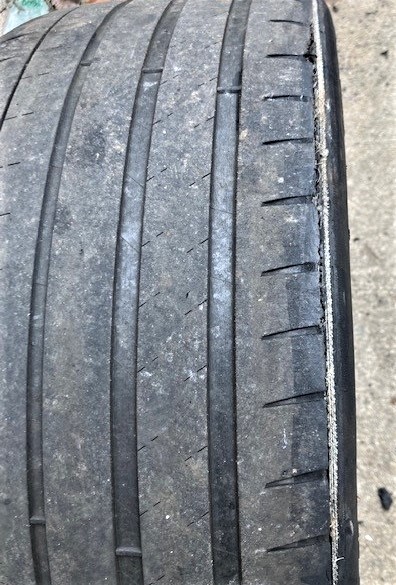
  4. Correct Alignment enhances safety. Misaligned tires can wear out quickly and may go unnoticed until they are worn down to the steel belts, which poses a risk of blowouts. Tire alignment can be disrupted by hitting potholes, curbs, or speed bumps.

As a general guideline, we recommend having your tire alignment checked annually and whenever you replace your tires.

What’s the build up on my car battery?

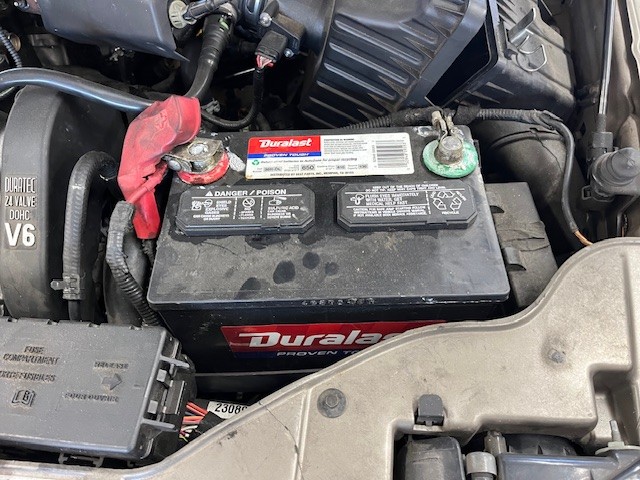
We often see a buildup on car batteries at our Auto Repair Shop. As your battery ages, internal gases leak out and cause corrosion at the terminals. This is the fluffy white and green stuff you see on top of your battery.

Is the corrosion a problem?

A little corrosion on the terminals isn’t a big deal. However, if it gets out of hand, it can become serious. Extreme corrosion can work its way into the terminals and posts, causing performance issues. You might notice problems starting the engine, charging, or even engine shut-off.

You can easily clean off minimal corrosion with water. Simply spray the corroded area with a water bottle while scrubbing it with a wire brush. Wear protective gloves and let the area dry. Then, spray protective coating on the metal areas, available at any Auto Parts Store.

If you’re unsure about cleaning it yourself, our experienced Auto Repair Shop can help. Give us a call or set an appointment online. We’ll clean up the battery corrosion and test the electrical system for any problems.

The Importance of Engine Diagnostics

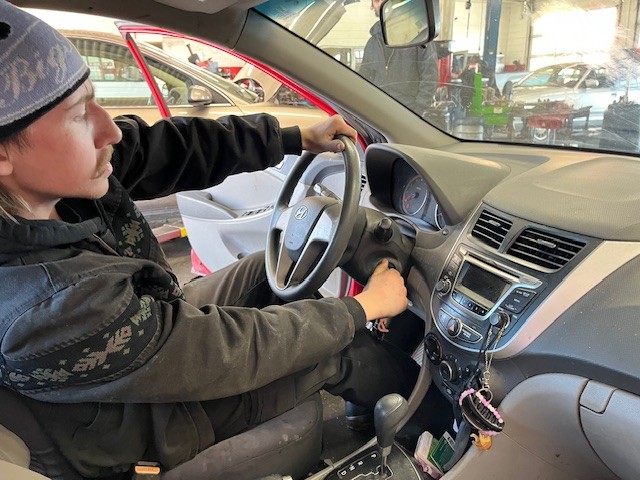
As vehicles become more advanced, engine diagnostics can become more expensive and time-consuming. So, when is an engine diagnostic necessary? Typically, it’s needed when your Check Engine Light is illuminated or flashing. Your vehicle operates like a complex computer, with its onboard system monitoring everything.

Here are some signs that you may require an engine diagnosis:

  • Your Check Engine Light is on.
  • Your Check Engine Light is flashing.
  • Your fuel economy has decreased.
  • Your vehicle is running roughly.
  • Your vehicle is making unusual noises.
  • You notice unfamiliar odors.
  • Your vehicle lacks the power it once had.
  • Your gauges are reading abnormally.
  • Your vehicle is not performing as expected.

Diagnosing an engine needs special, expensive computer tools that link to your vehicle. This process can take hours or even days, based on how complex the issue is. The first step is to retrieve trouble codes. These codes don’t tell the exact problem but give a general idea of which systems may be failing. Mechanics usually spend time test-driving the vehicle with the tools connected. They use scanner feedback to help find the issue.

If you are experiencing any of these symptoms, please reach out to our auto repair shop for assistance. We offer free loaner cars to help make this process more convenient for you.

BEATING THE HEAT IN GREENVILLE SC

Summer has arrived in Greenville, SC, bringing the heat! As temperatures rise, it’s vital to care for your vehicle. Here are five simple tips to keep your car happy and healthy this summer.

  1. Cooling System: Your Cooling System is key on hot days. Check for leaks and monitor your coolant levels. Low coolant can cause overheating, which might leave you stranded. If your temperature gauge shows “H” or you smell something odd, visit a trusted auto repair shop in Greenville immediately.
  2. Tire Pressure: Check your tire pressure at least once a month. A quick look at all four tires can help. Driving on low tires can cause them to heat up and even blow out. Keep them properly inflated for safety.
  3. A/C System: Comfort is important while driving. If your A/C isn’t blowing cold air, contact an Auto Repair Shop in Greenville for an A/C diagnostic check. A well-functioning A/C ensures a pleasant ride.
  4. Battery: Extreme temperatures can stress your battery. Batteries usually last about 3 to 5 years, so get a simple battery test at an Auto Repair Shop in Greenville. Catching issues early can save you from trouble later.
  5. Engine Oil: Checking your Engine Oil is vital. It lubricates the engine and helps maintain a safe temperature. Low oil can lead to overheating and damage, so keep it topped up.

We are here to support your vehicle needs in Greenville!

Take charge of your vehicle maintenance today. Find us on Google and click the blue “BOOK ONLINE” button!

TOP 5 MOST COMMON NOISES FROM YOUR VEHICLE

Hearing noise while driving your car, truck, or SUV may mean there’s a problem. You know your vehicle far better than any repair shop. When strange sounds occur, don’t ignore them.  They may signal an issue. We often diagnose noise problems. From squeaks and grinds to clicks and pops, we’re here to help. Below are the five most common noises we see at our Auto Repair Shop in Greenville.

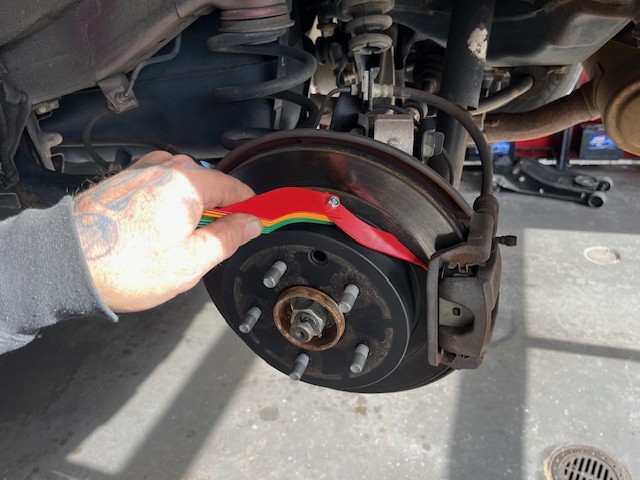
  1. Squealing or Grinding When Braking: This is a common noise. A high-pitched squeal when you brake may mean your brake pads are worn. Some manufacturers add a sensor to the brake pads that squeal when the brakes are applied. If you hear this, it might be time for new brakes. A grinding noise suggests the pads are worn down to the metal. This is serious and needs immediate attention.
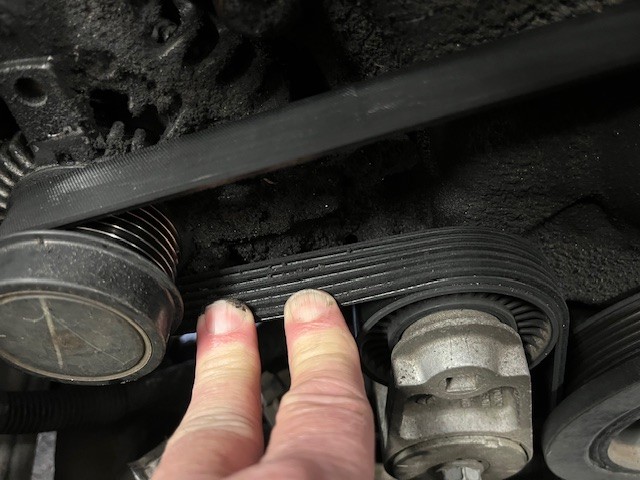
  2. Squealing or Chirping from the Engine Area: A squeal or chirp from the engine area may indicate a worn or dirty drive belt. These belts power many components, like the power steering pump, AC compressor, and alternator. If you hear a squealing or chirping noise, it’s likely due to a failing drive belt.
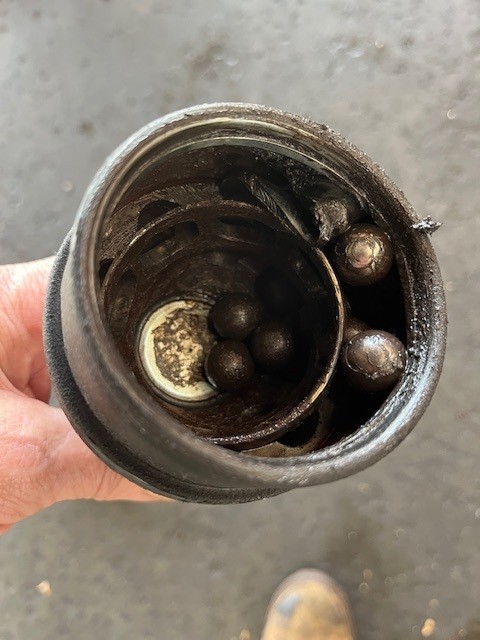
  3. Clicking Noise When Making Tight Turns: If you hear a loud clicking noise from the front during tight turns, it’s likely from the CV axles. These axles help propel the vehicle forward. Over time, the bearings can wear out, especially if the protective boots are old and damaged. This can lead to grease loss. Without enough grease, the CV joints wear and make loud clicking noises when turning.
  4. Popping or Rattling Over Bumps: Hearing a popping or rattling noise on uneven roads may indicate worn suspension or chassis parts. Examples of these components are Struts, Shocks, Tie Rods, Ball Joints and Control Arms. As your vehicle ages, these can wear down. If you notice this noise, have a qualified mechanic check it out.
  5. Roaring or Groaning Noise While Driving at High Speed: A roaring or groaning noise at high speeds may suggest a tire or wheel bearing issue. This noise usually gets louder as you speed up and may change as you slow down. If you hear this, contact your Auto Repair Shop for an inspection.

Why Does My Car AC Stop Working When I Stop Driving?

In summer, our auto repair shop in Greenville, SC, sees many AC issues. One common question is, “Why does my car air conditioning stop working when I stop driving?” Here are a few explanations based on our experience.

  1. Low Freon Charge: A frequent cause of AC problems is low refrigerant. If Freon levels are low, cooling will suffer. This often leads to warm air at the vents when you stop. Customers frequently report warm air while in drive-throughs or school pick-up lines.
  2. Engine Performance Issues: Major engine problems can impact your AC. The engine’s computer may turn off certain systems to prevent stalling. The air conditioning system is one of these. You might notice the AC stops working when you aren’t driving.
  3. Electric Cooling Fan Problems: A common reason for warm air when stationary is a faulty electric cooling fan motor. When you’re stopped, the air can become warm. The AC system needs airflow through the front of the car to cool the AC condenser. The electric cooling fan motor is responsible for drawing air in when the car is still. If this motor fails, the AC will stop working when you’re not driving.

What Can I Do If This Happens?

If you notice warm air from your vents, there’s a problem. We can help! Contact our auto repair shop on Wade Hampton Blvd. in Greenville and schedule an appointment with one of our experienced mechanics. You can easily book your appointment online. Just click the BLUE BOOK ONLINE button to take control of your air conditioning repair.